Dental Implant Restorations in Grants Pass, Oregon
Restore Your Chewing Function—and Protect Your Other Teeth
Losing a tooth affects more than the space you can see when you smile. It can also change the way your teeth function together.
When a tooth is missing, the surrounding teeth can gradually shift or tip into the empty space. This can change your bite and alter the way your teeth come together when you chew. The remaining teeth may then take on more of the chewing forces, which can contribute to excessive or premature enamel wear over time.
At Allen Creek Dental, our goal is not simply to replace the tooth you can see. We want your implant restoration to function comfortably with your natural teeth so you can chew more normally and help protect the teeth you still have.
Why Replacing a Missing Tooth Matters
Your teeth are designed to work together. When one is missing, the balance of your bite can change.
Leaving a tooth missing can allow:
- Neighboring teeth to shift or tip into the open space
- The opposing tooth to move into the space
- Your bite to change
- Certain teeth to take on more chewing pressure
- Remaining teeth to experience excessive or premature enamel wear
- Chewing function to become less efficient or comfortable
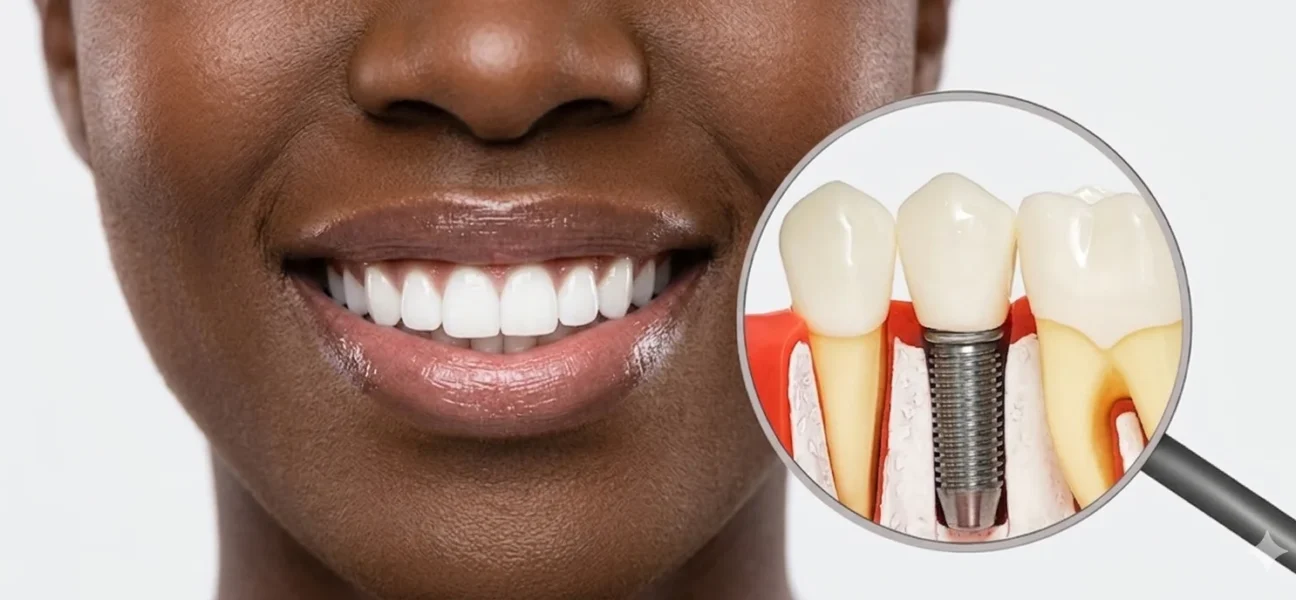
Replacing the missing tooth with an implant-supported restoration can help maintain the position of the surrounding teeth and restore a more balanced chewing pattern.
Restore the Tooth—and Help Protect the Teeth Around It
A dental implant restoration does more than fill an empty space. It provides a tooth replacement designed to participate in your bite and chewing function.
By restoring the missing tooth, we can help:
- Restore chewing function
- Distribute biting forces more appropriately
- Reduce the amount of work placed on neighboring teeth
- Help prevent surrounding teeth from shifting into the space
- Maintain a more stable bite
- Reduce the risk of excessive wear on the remaining teeth
- Allow you to enjoy a wider variety of foods more comfortably
The goal is not simply to make the missing tooth look natural. It is to restore the function of your teeth as a team.
Your Implant Restoration Should Work With Your Natural Teeth
Dr. Michelle Johnson takes a comprehensive approach to implant restoration. We look at how the restoration fits with your surrounding teeth, your bite, and your overall oral health—not just whether the implant crown fills the space.
Digital X-rays and, when clinically appropriate, our in-office 3D CBCT can provide additional information about the implant and surrounding structures. This helps us evaluate the situation and determine what type of restoration or adjustment may provide the best functional result for your particular circumstances.
The goal is simple: to help you get back to chewing comfortably while protecting the health and function of the teeth you still have.
Frequently Asked Questions
It may be possible to replace an implant crown without removing the implant when the underlying implant remains healthy and stable. An examination is needed to determine which component requires treatment.
There is no fixed lifespan for every implant restoration. Longevity can vary based on the restoration, oral hygiene, bite forces, overall health, and ongoing professional care.
A loose restoration should be evaluated promptly because the cause may involve the crown, connecting components, or another part of the restoration.
Whether repair is possible depends on which component is damaged and the condition of the implant and surrounding tissues. After examining the area, we can explain whether repair, replacement, or another treatment approach may be considered.


